The automotive assistance industry has undergone a massive transformation, shifting from purely mechanical operations to highly sophisticated, technology-driven networks. When a vehicle breaks down on the side of the highway, the speed and efficiency of the rescue operation depend entirely on the tools and technologies available to the response team. Modern advancements have completely revolutionized how dispatchers coordinate with drivers on the road, how those drivers navigate to the scene, and how the actual physical recovery of a vehicle is executed.
We are witnessing an era where digital innovation intersects directly with heavy-duty mechanical power, creating a much safer experience for motorists everywhere. This evolution is incredibly apparent when looking at the capabilities of local tow trucks operating today. The sheer level of modernization means that drivers facing a roadside emergency no longer have to wait in uncertainty. Instead, they benefit from a highly coordinated, data-driven response that prioritizes speed, safety, and precision. According to Maximizemarketresearch.com, the total tow truck revenue is expected to grow at a CAGR of 5.1% from 2025 to 2032, to reach nearly USD 2.59 billion. Understanding these technological shifts provides valuable insight into just how capable and prepared modern roadside assistance professionals have become.
Evaluating Modern Navigation Systems
A profound upgrade in the roadside assistance sector revolves around the implementation of hyper-accurate navigation and routing technologies. In the past, drivers relied heavily on physical maps and their own knowledge of neighborhood streets to locate stranded motorists. Today, the reliance on dynamic, satellite-based navigation has erased the guesswork. High-definition mapping software continuously monitors traffic patterns and construction zones to calculate the absolute fastest route.
This means that when a call for help comes in, the response vehicle is immediately guided away from congestion, drastically reducing the time a motorist spends waiting in a dangerous situation. The precision of these systems allows operators to pinpoint the exact coordinates of a stranded vehicle, even if the driver cannot provide an accurate street address. For local tow trucks, this precise routing is absolutely critical for maintaining quick response times and ensuring operators reach distressed drivers swiftly.
Utilizing Advanced Dispatch Software
Behind the scenes of every successful recovery operation is a highly sophisticated dispatch system acting as the central nervous system of the fleet. Modern dispatch centers utilize cloud-based software that seamlessly connects incoming distress calls with the most appropriate response vehicle in real-time. These advanced platforms analyze a multitude of factors instantly, including the location of the stranded motorist, the current geographical positioning of the fleet, and the specific equipment available on each truck.
By processing all of this information simultaneously, the software automatically assigns the job to the nearest qualified operator without manual hesitation. This automated coordination completely eliminates overlapping assignments and reduces idle time between service calls. The seamless integration of this software allows dispatchers to monitor the entire fleet on a unified digital dashboard. The constant communication stream between the dispatch center and the operators ensures that everyone is working with the exact same information, leading to highly organized and efficient missions for all local tow trucks on duty.
Integrating Smart Mechanical Equipment
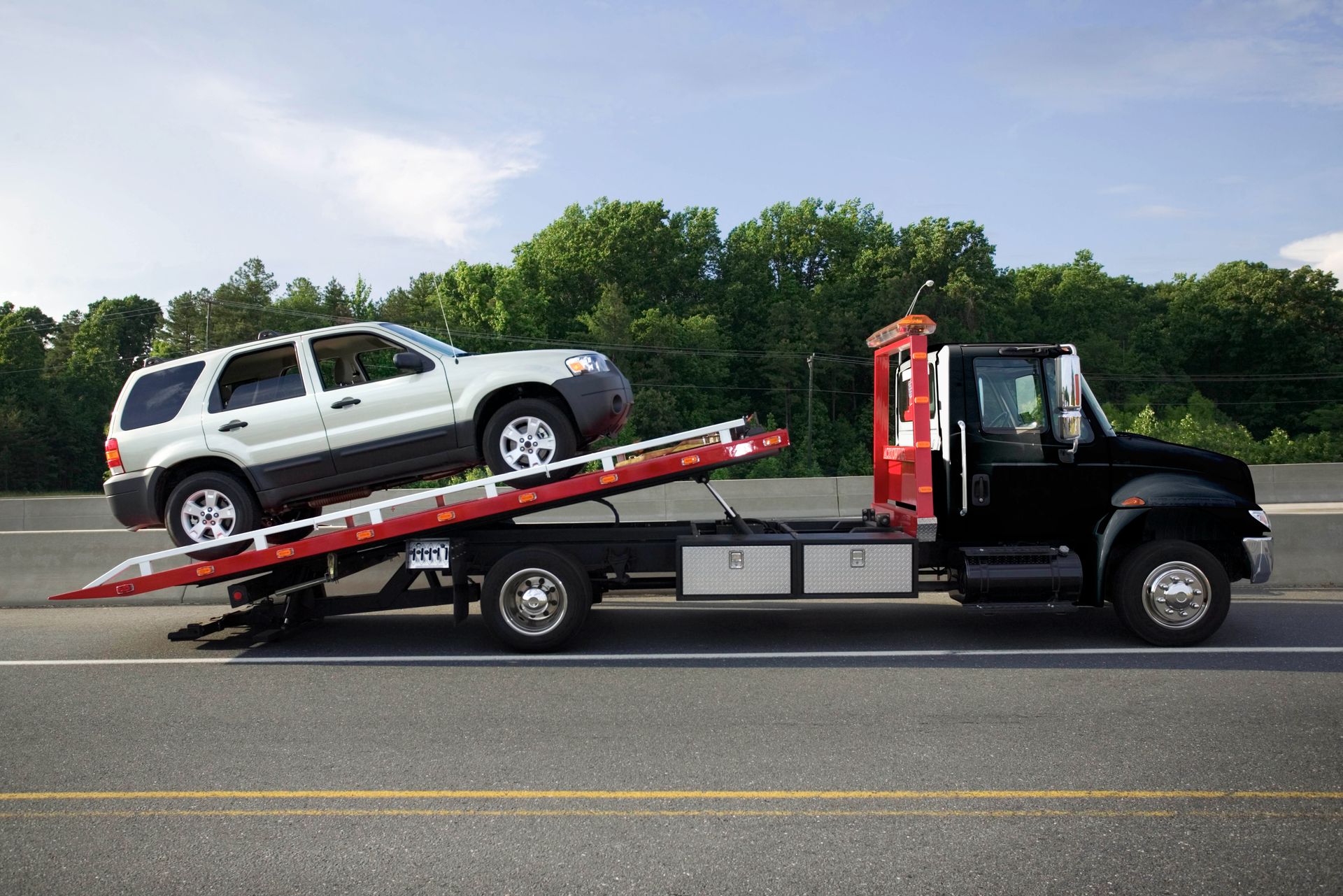
While digital software handles the logistics, the actual physical equipment used to recover and transport vehicles has also seen a remarkable technological upgrade. The heavy-duty machinery mounted on modern response vehicles is no longer just reliant on raw hydraulic power; it is heavily integrated with smart sensors and digital controls. Operators now utilize remote-controlled winches, automated leveling systems, and digital load sensors that calculate the exact weight and distribution of a vehicle.
These sensors prevent overloading and ensure that the load is perfectly balanced for transport. When evaluating the features of local tow trucks in the modern era, this integration of intelligent mechanical hardware stands out as a primary catalyst for preventing secondary accidents. The ability to control winches and flatbed hydraulics from a safe distance using a wireless remote means that operators no longer have to stand directly in the line of danger. This synergy guarantees a much smoother and completely secure loading process.
Enhancing Overall Driver Safety
Safety is always the paramount concern during any roadside recovery operation, and recent technological integrations have focused heavily on protecting both the operator and the stranded motorist. Operating a heavy-duty response vehicle comes with significant blind spots, especially when navigating tight urban environments. To mitigate these risks, modern vehicles are outfitted with comprehensive arrays of high-definition cameras, providing operators with a complete panoramic view of their surroundings.
These camera systems are often paired with advanced collision avoidance technology and blind-spot monitoring, giving the operator an additional perspective on the road. Furthermore, the exterior lighting on these vehicles has been upgraded to ultra-bright panels designed to cut through dense fog and heavy rain. This brilliant illumination ensures the workspace is clearly visible while serving as an unmistakable warning signal to approaching traffic. For the operators of local tow trucks, these protective measures are indispensable tools that allow them to perform their hazardous duties with security.
Improving Customer Communication Channels
The psychological stress of being stranded on the side of the road cannot be overstated, and the towing industry has made massive strides in alleviating this anxiety through improved communication. In previous years, a motorist calling for assistance was often left entirely in the dark after making the initial phone call. Today, the technological ecosystem prioritizes absolute transparency and constant communication with the customer. The moment a service request is confirmed, the stranded driver receives automated text messages containing a secure link to a live tracking map.
This map allows the customer to watch the assigned vehicle moving toward their location in real-time. Additionally, these systems provide dynamic, moment-by-moment updates regarding the estimated time of arrival, automatically adjusting for any sudden traffic delays. By keeping the customer thoroughly informed every step of the way, the dispatchers and drivers of local tow trucks are able to transform a highly stressful emergency into a highly reassuring professional service encounter.
Streamlining Fleet Management Protocols
Maintaining a fleet of heavy-duty recovery vehicles requires an intense amount of logistical planning and constant performance monitoring. To ensure that every vehicle is operating at peak efficiency, companies now rely on comprehensive telematics systems that monitor virtually every aspect of the vehicle's health. These onboard diagnostic computers track everything from fuel consumption and engine temperature to tire pressure and brake wear.
By continuously analyzing this data, the telematics software can predict exactly when a specific vehicle will require preventative maintenance, alerting managers well before a minor mechanical issue escalates into a major breakdown. This proactive approach to maintenance drastically reduces unexpected vehicle downtime, ensuring that a larger portion of the fleet is always available to respond to emergencies. Furthermore, these systems monitor operator behavior, tracking harsh braking and excessive idling. For the businesses deploying heavy-duty fleets, this level of granular data analysis is essential for maintaining highly reliable vehicles.
The intersection of advanced digital software, smart mechanical engineering, and comprehensive safety protocols has fundamentally redefined the standard of care in the roadside assistance industry. Motorists navigating our complex roadways can take comfort in knowing that the technology deployed to rescue them is more capable, efficient, and secure than ever before. From highly precise satellite routing and automated dispatch algorithms to remote-controlled hydraulics and live customer tracking links, every single technological upgrade serves a specific purpose: to provide the fastest and safest recovery possible.
As these systems continue to evolve and integrate, the stress and danger associated with vehicular breakdowns will continue to diminish. Whenever you find yourself facing an unexpected automotive emergency, you need a team equipped with the very best technology the industry has to offer. When you require the assistance of highly advanced local tow trucks, call Danny's Towing LLC today to learn more about how our state-of-the-art fleet can safely and swiftly resolve your roadside troubles and get you back safely on your journey.